Every Gore Verbinski Movie, Ranked

Gore Verbinski is one of those filmmakers whose name is always floated when there’s some new superhero or tentpole project that is trying to rise out of the ground (he was briefly attached to “Gambit” but like everyone else who flirted with the project, he quickly left). The reasons are clear: he has a technical mastery and has made movies that have earned billions of dollars. But he’s also an auteur, somebody whose point-of-view and personality can be felt in every frame of the films he does. (Those frames, by the way, are cannily constructed.) It’s with this in mind that we go through his entire filmography, delighting in all the darkness and absurdism.
10. ‘Mouse Hunt’ (1997)
A wacky, gag-a-minute comedy about a pair of bumbling brothers (Nathan Lane and Lee Evans) trying to get rid of a mouse that has taken up residence in their family’s ramshackle mansion, “Mouse Hunt” is more or less a live-action cartoon. (Oddly enough, the least effective moments are when the rudimentary CGI mouse takes center stage; it looks like of ghostly all these years later.) For his debut feature (he was hired off the strength of his Budweiser frog commercial) that doubled as the first “family film” from the nascent DreamWorks (it was only their third film ever; you can tell by the Disney jab), Verbinski really went there. Under Verbinski’s assured vision, what could have easily been reduced to “Home Alone with a mouse,” became something far stranger, far bawdier, and yes, far darker (there’s both a funeral and an accidental death in the first fifteen minutes). While it’s far from his greatest accomplishment, it is a terrific indicator of where he’d go, particularly when crafting supposed all-ages entertainment with a sharply subversive edge. Christopher Walken’s cameo (as a deranged exterminator)? *Chef’s kiss*
9. ‘Pirates of the Caribbean: Dead Man’s Chest’ (2006)
The most profitable film in Verbinski’s “Pirates of the Caribbean” trilogy (and, for half a decade, Disney’s most successful film ever) is also the weakest, an opulent, more-is-more mess that is the ultimate example of mid-trilogy wheel-spinning (literally, rascally pirate Jack Sparrow winds up in some sort of wheel twice). How much of this is Verbinski’s fault remains unclear, especially considering they embarked on the production of two back-to-back sequels without a single completed script (this after Disney threatened to cancel both films). Everything that made the first film so charming (Johnny Depp’s off-kilter performance, the sea-chanty-worthy nautical mythology, shout-outs to the original attraction) becomes embellished to the point of overkill in "Dead Man's Chest." And while Verbinski does a great job making everything look lush and believable (particularly when it comes to the villainous Davy Jones and his monstrous crew), it’s not enough to make the movie compelling. It was pretty ballsy to kill Depp off in the movie’s final moments, a harbinger of the darkness to come in part 3.
8. ‘The Mexican’ (2001)
For a while “The Mexican” was the hottest script in Hollywood that nobody could get made. That was before Brad Pitt and Julia Roberts expressed interest. “The Mexican” seems, on paper, like the perfect Verbinski vehicle -- it’s a darkly comic fable about a low-level leg-breaker (Pitt) who travels to Mexico to retrieved a cursed pistol for an unscrupulous mob boss. Not only would it allow the filmmaker to engage with his darker inclinations thanks to the movie’s hard-R rating but it’d allow him to indulge in some classic western stylistic flourishes. Unfortunately, the movie is painfully dated (Roberts’ chunky heels and VW Bug, Pitt’s thick necklace and general vibe, plus the movie’s treatment of homosexuality) and often so bleak that it blots out the chance of any actual joy from getting through. It’s worth a single viewing for Verbinski completists, but not much else.
7. ‘The Ring’ (2002)
Verbinski jump-started the American-remake-of-Asian-horror-movies trend with “The Ring,” an atmospheric remake of the 1998 Japanese film “Ring.” (Just think about how many parodies there were of the movie’s opening sequence alone.) Naomi Watts, wearing some very 2002 lipstick shades, plays a journalist chasing down the story of a haunted videotape that kills whoever watches it seven days later (so many rules!) While this version of the story does present a more linear and “western” narrative, Verbinski still manages to add in some surrealistic flourishes and the big set pieces are, as expected, total gangbusters – particularly the iconic moment where the little ghost girl emerges from the television. (He also wisely cut an entirely subplot about Watts showing the videotape to a child murderer played by Chris Cooper.) Unfortunately, the movie hasn’t aged well, and even though it was first, many of its tropes (rainy Seattle backdrop, preternaturally all-knowing child) have become tiresome clichés in the years since.
6. ‘Pirates of the Caribbean: At World’s End’ (2007)
“Pirates of the Caribbean: At World’s End,” the big Disney release for the summer of 2007 and the sequel to the most profitable movie in the company’s history … begins with a small child being hung. Now that takes guts. This sequence (and, really, the rest of the movie) is a testament to Verbinski’s utter willingness to go there and his absolute disinterest in making a conventional cookie-cutter sequel. From the trippy voyage beyond death to rescue Captain Jack Sparrow (those rock/crab guys are great) to the climactic ship versus ship battle in the middle of a mystical typhoon (a set piece he would only get to top, in terms of complexity and visual aplomb, years later), this is Verbinski firing on all cylinders and not living anything behind. He thought this was the end of the series so he went all out; the mediocrity of the films that followed are a testament to how much of himself he put into the franchise.
5. ‘Rango’ (2011)
The lone animated feature in his filmography, “Rango” is an ultra-smart western send-up that’s equal parts “Blazing Saddles” and “Chinatown.” Depp (again) plays a chameleon with an identity crisis, who winds up in a dusty western town and assumes the role of a fearsome gunslinger. Verbinski, working with the animation wizards at Industrial Light & Magic (at the time it was their first fully animated feature) and creature designer “Crash” McCreery, is at the top of his game, squeezing the most visual pizzazz out of each and every scene. (The movie’s big sequence, a chase through a canyon with hillbilly varmints riding on the back of bats, while a banjo-embossed “Ride of the Valkyries” plays, is one of the director’s all-time best.) Extra points should be awarded for the filmmaker’s willingness to push out the boundaries of what is considered a conventional, “western” animated film into territories far stranger and more challenging (he ended up winning the Best Animated Feature Oscar for the trouble).
4. ‘The Lone Ranger’ (2013)
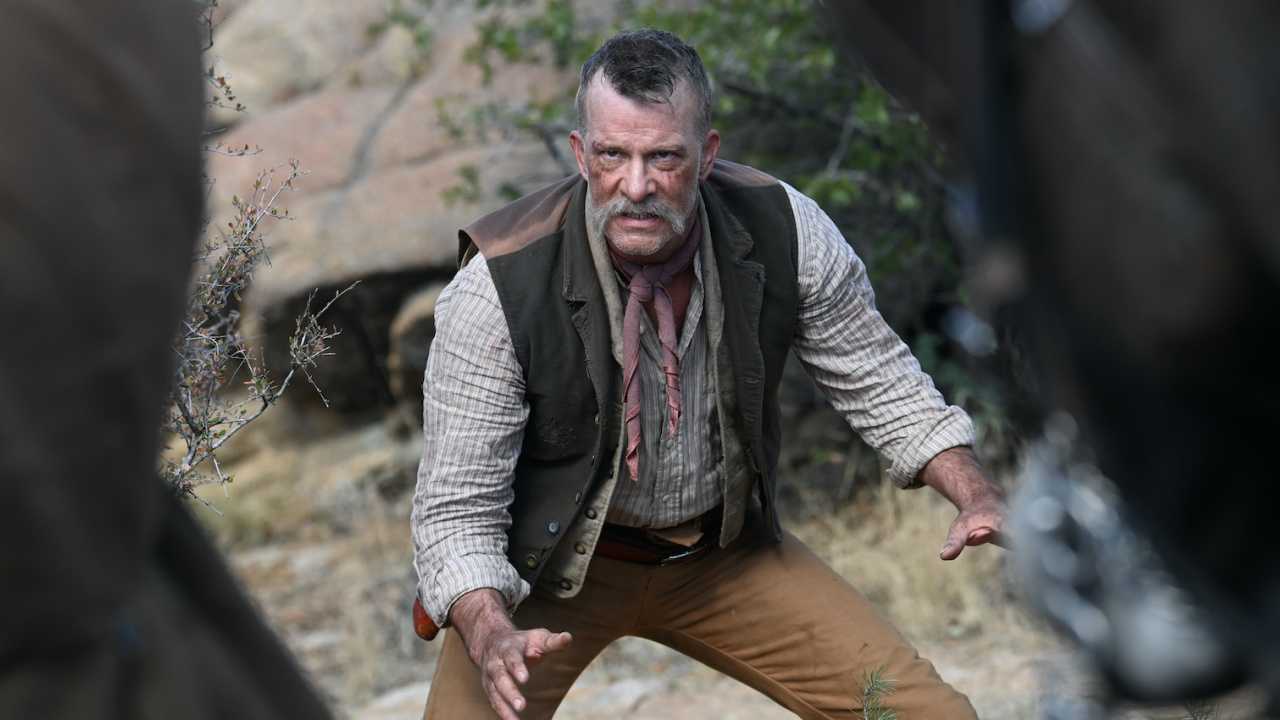
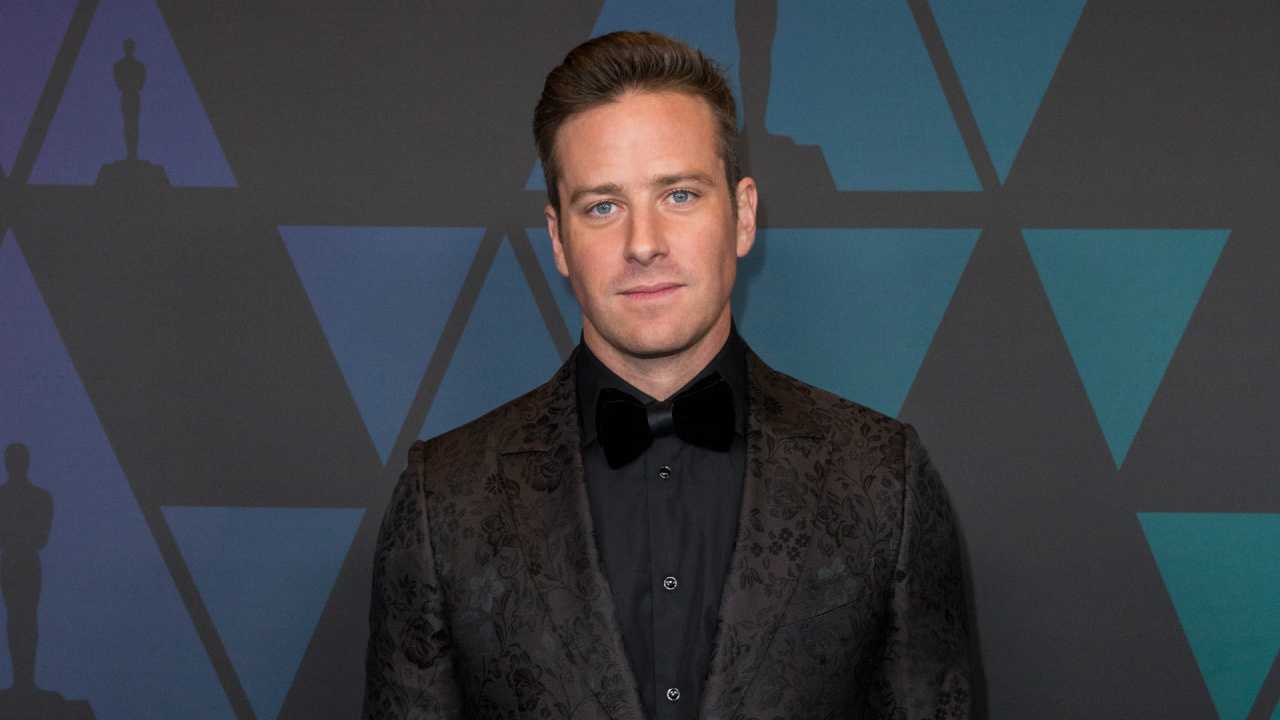
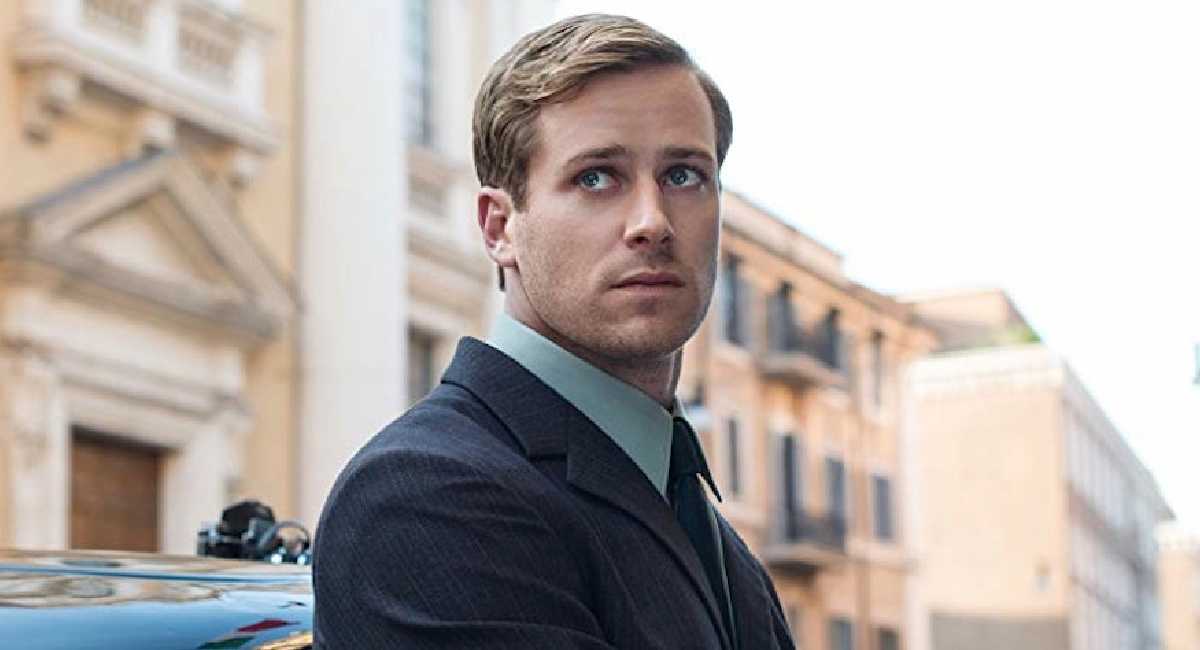
Whereas “Pirates of the Caribbean” was a total surprise, “The Lone Ranger,” which re-teamed many of the people that made those films so successful (Verbinski, Depp, ILM), seemed like a foregone conclusion. This, along with an unprecedented level of media scrutiny (about everything from the questionable nature of Depp playing Native American Tonto to the film’s huge budget), made its box office and critical downfall seem even more spectacular. (Disney wound up with a whopping write-down of around $150 million.) And all this is a real shame, because “The Lone Ranger” is a terrific movie, fearless and artful, wherein the progress of the 20th century is the main villain and fearless tonal shifts can swing from the massacre of an entire Native American tribe to a joke about Armie Hammer getting dragged through horse poop. It’s unfathomable that the movie was given the go-ahead (it was canceled at least once before production began), much less allowed to arrive in theaters with splashes of extreme violence (a main character’s heart gets eaten) and a running time of 149 minutes. It exists in defiance of conventional studio norms, which makes it even more of a treasure. And the climactic train chase might just be the greatest thing Verbinski has ever pulled off, a heart-stopping, virtuosic set piece that makes my jaw drop every time I watch it.
3. ‘Pirates of the Caribbean: The Curse of the Black Pearl’ (2003)
It’s hard to properly convey what an outlier “Pirates of the Caribbean” was back when it premiered in 2003. It was a pirate movie, in a climate where notorious bomb “Cutthroat Island” was still a sore subject, and it was based on a Disney theme park attraction, a dicey proposition if there ever was one (hello, “The Country Bears!”), hence the awkward subtitle. It was also so dark that Disney chief Michael Eisner left the castle logo off the film -- watch it again, it just starts. And yet, it was an absolute phenomenon. People went back again and again. That’s everything to do with Verbinski, who gave a tactile feeling to the supernatural world of pirates and cursed treasure. He was the one who defended Depp’s approach to the Captain Jack Sparrow character when executives got jittery (a performance that would ultimately result in an Oscar nomination). He was also the one whose mastery of visual effects helped ILM pull off the amazing “ghost pirates” stuff. It’s easy to call someone a visionary when they don’t really deserve the title, but Verbinski should totally own it. Nobody could have pulled off “Pirates of the Caribbean.” But he did. It should never have worked. But it did.
2. ‘A Cure for Wellness’ (2016)
An almost indescribably odd film, “A Cure for Wellness” was Verbinski’s return to relatively low budget filmmaking. It’s a horror film but doesn’t follow any current tropes. Instead, it’s a throwback to a simpler time, a kind of Hammer movie about a young man (a totally game Dane DeHaan) who goes to a European health spa to retrieve his boss, only to get sucked into a conspiracy involving the occult and an ageless man holding his daughter prisoner and eels (lots and lots of eels). This is Verbinski at his most outrageous. You can feel that he’s an artist who had been shackled by the restrictions of studio filmmaking and big budget obligations for a very long time and was positively liberated by the experience of getting to make a movie on his own terms. The film was divisive and had a dismal box office return, but it’s hard to not feel like, in a few short years, it will be seen as the cult classic that it is.
1. ‘The Weather Man’ (2005)
Verbinski’s smallest feature, made in between “Pirates of the Caribbean” movies and seen by hardly anyone, is also his most affecting and personal. Nicolas Cage plays the titular weather man, a Chicago screw-up dealing with his overweight daughter, dying father (Michael Caine), contentious ex-wife (Hope Davis) and addict son (a young Nicholas Hoult). Oh and everyone hates him and throws giant sodas at him (it’s a recurring gag and a very good one). Steve Conrad’s meticulous, multilayered script is the perfect basis for Verbinski’s equally obsessive visuals (try counting the number of fast food logos appear throughout the film), embroidered by Hans Zimmer’s delicate electronic score (one of his best ever). Everything in the movie is icy; reflective and shimmery and cracked. As melancholy as it is insightful, “The Weather Man” only hits false notes when engaging in a subplot about a pedophilic mentor (Gil Bellows). It has not aged well. Oh well. Sometimes “The Weather Man” gets it wrong.