
Movie Details
Original Language:Czech
Production Companies:Studio uměleckého filmu Praha
The Hussite Revolutionary Trilogy Movies
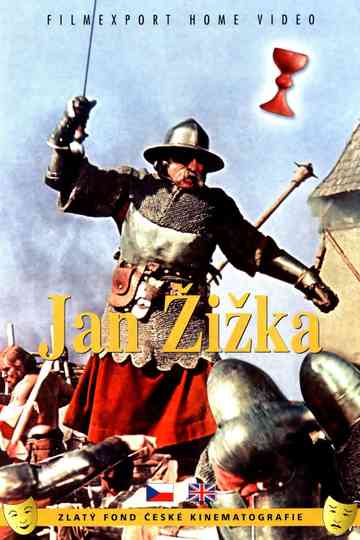
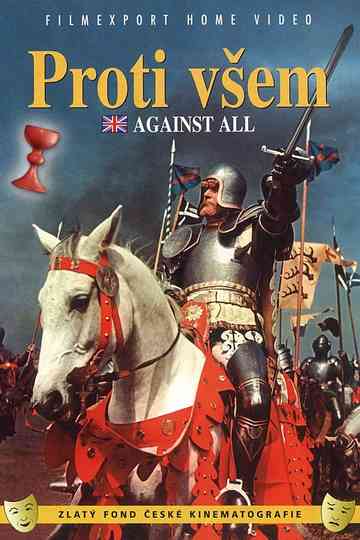
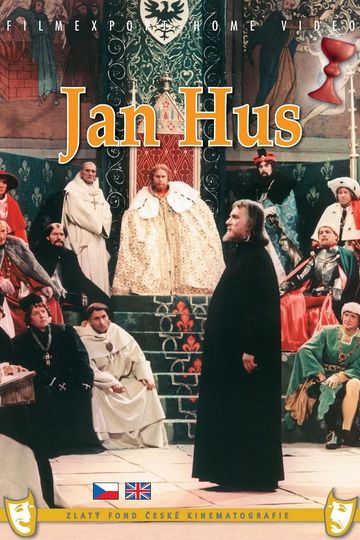
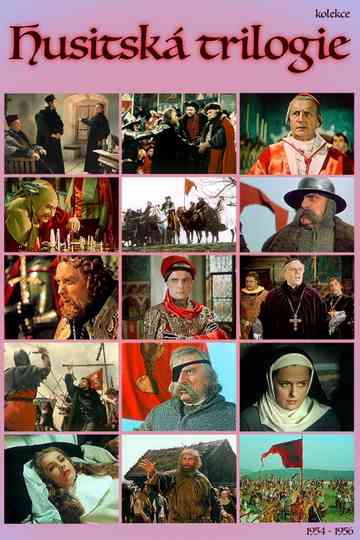
The Hussite Revolutionary Trilogy is a trilogy of films by Otakar Vávra. It consists of "Jan Hus," "Jan Žižka," and "Proti Všem." It was the most expensive Czechoslovak cinematic project in history at the time, with a total budget of 33 million Czechoslovak crowns. Vávra stated that he was inspired by the works of František Palacký, Alois Jirásek's works about Hussite Wars, and their interpretation as a class struggle by Communist Minister of Culture Zdeněk Nejedlý. The 1947 film "Warriors of Faith" is sometimes considered an ancestor of the trilogy. The 2022 film "Medieval" is set 10 years prior to the events chronicled in the trilogy and the director of the film called it a prequel to Hussite Revolutionary Trilogy.